
The Strong Defense
You Deserve
Image of attorneys and staff at Brunvand, Wise & Farinella Law Group
Can Buying Cold Medicine Lead to Meth Precursor Charges in Florida?
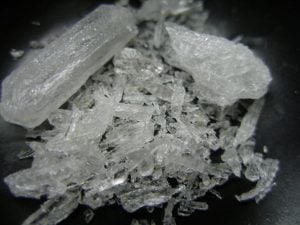
Buying cold medicine is an ordinary activity for millions of people. Products containing pseudoephedrine and similar ingredients are commonly used to treat congestion, allergies, and sinus problems. In Florida, however, these medications are closely regulated because pseudoephedrine, ephedrine, and certain other substances can also be used as precursor chemicals in the illegal manufacture of methamphetamine.
For someone who becomes the target of an investigation, an otherwise routine pharmacy purchase can suddenly become part of a much more serious criminal case. If law enforcement believes cold medicine purchases were connected to methamphetamine production, pharmacy records, electronic communications, surveillance, searches, and witness statements may all become evidence.
Anyone facing allegations involving meth precursors in Tampa should understand the difference between legally purchasing cold medicine, violating Florida’s purchasing restrictions, and being accused of possessing a chemical with the intent to manufacture an illegal controlled substance.
Florida Limits Purchases of Pseudoephedrine and Related Products
Florida law regulates retail purchases of products containing ephedrine, pseudoephedrine, phenylpropanolamine, and certain related compounds.
Generally, a person may not knowingly obtain more than 3.6 grams of covered substances during a single day, more than three packages during a single retail transaction, or 9 grams or more during a 30-day period.
Purchasers are also generally required to be at least 18 years old, present qualifying government-issued identification, and sign a purchase record. Covered transactions are monitored electronically.
As a result, purchasing regulated cold medicine can create a digital record that includes identifying information, when the transaction occurred, how many packages were purchased, and how much of the regulated substance was involved.
Those records can later become important if police believe multiple people were purchasing medication for an alleged methamphetamine manufacturing operation.
Buying Cold Medicine Does Not Automatically Mean You Committed a Felony
Pseudoephedrine and ephedrine are classified as listed precursor chemicals because they can be used in the unlawful manufacture of controlled substances. That classification does not make ordinary possession of cold medicine illegal.
A much more serious issue arises when prosecutors allege that someone knowingly or intentionally possessed a listed chemical with the intent to unlawfully manufacture a controlled substance.
Florida law also addresses situations in which a person possesses or distributes a listed chemical while knowing, or having reasonable cause to believe, that the chemical will be used for unlawful drug manufacturing.
A violation can be charged as a second-degree felony.
That distinction can be critical in a criminal defense case. Pharmacy records may establish that a particular purchase took place, but they do not necessarily establish why the medication was purchased.
The prosecution may still need evidence showing criminal intent, knowledge, possession, or participation in illegal manufacturing.
How Prosecutors May Try to Prove Intent
Because people rarely admit that they intended to use pseudoephedrine to manufacture methamphetamine, prosecutors may attempt to establish intent through circumstantial evidence.
That evidence can include repeated purchases from different pharmacies, text messages, social media conversations, internet searches, photographs, surveillance footage, witness statements, or materials found during searches.
Investigators may also point to chemicals, containers, solvents, lithium, ammonia, equipment, or other objects they associate with methamphetamine manufacturing.
However, individual pieces of evidence should not automatically be treated as proof of criminal conduct. Many chemicals and products have legitimate medical, household, automotive, agricultural, or industrial uses. Being associated with someone suspected of a crime also does not necessarily establish that another person participated in that crime.
A Tampa criminal defense attorney can examine whether prosecutors have evidence directly connecting a defendant to illegal drug manufacturing or whether the case depends heavily on assumptions about purchasing patterns, proximity, or personal associations.
Penalties for Florida Meth Precursor Charges
Possessing a listed chemical in violation of Florida’s meth precursor statute can be charged as a second-degree felony.
A second-degree felony is generally punishable by up to 15 years in prison. Florida law also generally allows a fine of up to $10,000 for a first-degree or second-degree felony.
A felony conviction may also create consequences beyond imprisonment and fines, including problems involving employment, professional licenses, housing, education, firearm rights, immigration matters for noncitizens, and future criminal sentencing.
The sentence in an individual case may depend on numerous factors, including prior convictions, additional charges, sentencing scores, aggravating circumstances, plea negotiations, and the evidence involved.
Exceeding Cold Medicine Purchase Limits Can Be a Separate Offense
Florida treats violations of retail purchasing restrictions separately from felony possession of a precursor chemical with intent to manufacture drugs.
Certain violations of Florida’s regulated cold medicine purchasing limits can result in escalating penalties. A first offense may be classified as a second-degree misdemeanor, a second offense as a first-degree misdemeanor, and a third or subsequent offense as a third-degree felony.
That means exceeding a purchasing limit should not automatically be treated as proof that someone intended to manufacture methamphetamine.
Determining exactly which offense the available evidence supports can become an important part of the defense.
When Meth Precursor Allegations Become More Serious
Meth precursor investigations can escalate substantially when police claim that pseudoephedrine or another listed chemical was found along with equipment or additional materials allegedly used to manufacture methamphetamine.
Florida law also provides enhanced penalties in certain methamphetamine manufacturing cases involving children younger than 16.
In some circumstances, allegations involving precursor chemicals may even become trafficking charges. Florida’s trafficking law can apply to certain quantities of pseudoephedrine or ephedrine when those substances are found in conjunction with other chemicals and equipment used for manufacturing methamphetamine.
At qualifying amounts of 14 grams or more, a defendant can face a first-degree felony trafficking prosecution along with mandatory sentencing provisions. Higher quantities can lead to increasingly severe mandatory penalties.
However, the discovery of pseudoephedrine alone does not automatically establish trafficking. Prosecutors must still satisfy the requirements of the applicable statute.
Common Defenses to Florida Meth Precursor Charges
Every criminal case depends on its specific facts, but several defenses may become important in meth precursor prosecutions.
A defendant may have purchased medication for legitimate personal, family, or medical reasons and had no intent to manufacture methamphetamine. Someone may also have purchased medicine for another person without knowing that individual allegedly intended to use it unlawfully.
Possession can also become disputed. If chemicals or equipment are discovered in a shared house, vehicle, garage, hotel room, or other location accessible to multiple people, prosecutors may need to establish more than simple proximity.
Search and seizure issues may also affect the case. Evidence obtained during an unconstitutional vehicle search, residential search, phone search, detention, or improperly supported warrant may potentially be challenged.
Witness credibility can matter as well. Cooperating defendants and confidential informants may have personal reasons for accusing someone else, including an attempt to improve their own position after an arrest.
Pharmacy Records, Cell Phones, and Search Warrants
Cold medicine investigations may involve far more evidence than pharmacy receipts.
Detectives may seek surveillance footage, purchasing histories, financial records, text messages, photographs, location information, internet search histories, phone records, and evidence obtained from vehicles or homes.
Search warrants and digital evidence deserve careful examination. A warrant does not automatically make every search lawful. Questions may arise concerning whether probable cause existed, whether information supporting the warrant was stale or misleading, and whether investigators stayed within the authorized scope of the search.
Digital evidence must also be considered in context. Ownership of a phone does not necessarily establish that the owner personally authored every message or conducted every search attributed to that device.
Do Not Assume Explaining Yourself to Police Will Make the Problem Go Away
Someone who purchased cold medicine for an innocent reason may believe that explaining the situation to investigators will quickly end the matter.
That can be risky.
Police may already possess pharmacy records, surveillance footage, witness statements, digital evidence, or other information they do not reveal during questioning. Statements intended to clear up a misunderstanding may instead become evidence used to establish knowledge or intent.
A person questioned about suspected meth precursor purchases has constitutional rights, including the right to remain silent and the right to request an attorney.
Contact a Tampa Criminal Defense Attorney About Meth Precursor Charges
Meth precursor investigations can involve complicated Florida statutes, electronic purchasing records, search warrants, possession disputes, forensic evidence, digital communications, and allegations concerning a person’s intent.
The stakes can rise rapidly when investigators move from examining cold medicine purchases to alleging felony possession of precursor chemicals, methamphetamine manufacturing, or trafficking.
Brunvand, Wise & Farinella Law Group represents clients facing serious criminal allegations in Tampa, Florida. If you have been arrested, contacted by investigators, or accused of possessing pseudoephedrine, ephedrine, or another listed chemical for illegal drug manufacturing, speaking with an experienced Tampa criminal defense attorney can help you understand the allegations against you and the potential defenses available in your case.