
The Strong Defense
You Deserve
Image of attorneys and staff at Brunvand, Wise & Farinella Law Group
Refusing a Breathalyzer in Florida: What Tampa Drivers Need to Know
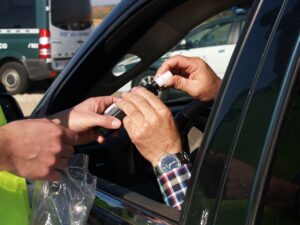
A DUI stop in Florida can move quickly. One moment, a driver is being pulled over. The next, an officer may be asking questions, requesting field sobriety exercises, or asking the driver to submit to a breathalyzer or other chemical test. Many people assume they can simply refuse a breathalyzer and avoid giving the State evidence. In reality, refusing a breathalyzer in Florida can create serious consequences of its own.
For anyone facing a DUI investigation in Tampa, understanding Florida’s implied consent law is critical. A refusal may affect your driver’s license, your criminal case, and your ability to obtain a hardship license. Brunvand, Wise & Farinella Law Group represents individuals facing DUI charges and other criminal allegations in the Tampa area, and the sooner you speak with a Tampa criminal defense attorney, the better positioned you may be to protect your rights.
Florida’s Implied Consent Law
Florida has an implied consent statute. This means that a person who accepts the privilege of driving on Florida roads is considered to have consented to lawful chemical testing under certain circumstances. Chemical testing may include a breathalyzer, blood test, or other legally requested test.
That does not mean police can request a breathalyzer for any reason. The officer must have a reasonable basis to believe the person was impaired by alcohol and was driving or in actual physical control of a vehicle. This distinction matters because an unlawful stop, lack of probable cause, or other legal deficiency may affect both the DUI charge and any license suspension connected to a refusal.
However, drivers should not try to make that legal judgment on the roadside. Refusing a breathalyzer can trigger immediate and serious consequences, even if there may later be defenses to the stop or the request for testing.
What Happens If You Refuse a Breathalyzer in Florida?
Refusing a lawfully requested breathalyzer in Florida can lead to an automatic driver’s license suspension. A first refusal can result in a 12-month suspension. A second refusal can result in an 18-month suspension.
The consequences may not stop there. Under Florida law, refusing a lawfully requested test can also lead to criminal penalties. A first refusal may be treated as a second-degree misdemeanor. A second refusal may be treated more severely, including as a first-degree misdemeanor.
For many people, the license consequences are immediate and disruptive. Losing the ability to drive can affect work, school, family responsibilities, and daily life. A person suspended because of a refusal may also have to wait longer before becoming eligible for a hardship license. For example, a person with a first-offense DUI conviction may be eligible for restricted driving privileges after a shorter waiting period than someone whose suspension is based on a refusal.
Refusal Does Not Guarantee the DUI Case Goes Away
Some drivers refuse a breathalyzer because they believe the State cannot prove DUI without a breath test result. That assumption can be dangerous. A person can still be charged with and convicted of DUI without a breathalyzer reading.
Prosecutors may rely on other evidence, including the officer’s observations, driving patterns, field sobriety exercises, video footage, statements, and other circumstances surrounding the stop. The refusal itself may also be used as evidence in the DUI case.
This is why refusing a breathalyzer is not a simple way to avoid a DUI charge. It can create separate problems while still leaving the underlying DUI case in place.
Are There Times When a Driver Cannot Refuse?
In many DUI investigations, a driver may refuse chemical testing and accept the legal consequences. However, Florida law also allows compelled testing in certain serious cases.
If law enforcement has reasonable cause to believe that a person’s impaired operation of a vehicle caused serious bodily injury or death, the driver may be required to submit to a blood test. Officers may be authorized to use reasonable force to obtain testing. Chemical testing may also occur without consent if the driver is unconscious and unable to provide consent.
These situations are more serious and can involve much higher stakes. Anyone involved in a DUI investigation connected to injury or death should contact a Tampa criminal defense lawyer immediately.
Can You Fight a License Suspension After Refusing a Breathalyzer?
A refusal-related driver’s license suspension may be automatic, but that does not always mean it cannot be challenged. The issues in an administrative challenge are limited. A hearing officer may consider whether the officer had probable cause to believe the driver was under the influence, whether the officer requested chemical testing and the driver refused, and whether the officer properly warned the driver that refusal would lead to a license suspension.
Timing is critical. The deadline to seek review of a suspension is extremely short. Waiting too long can limit your options and make it harder to protect your driving privileges.
Talk to a Tampa DUI Defense Attorney
A breathalyzer refusal in Florida can affect both your license and your criminal case. It may lead to a lengthy suspension, possible misdemeanor penalties, difficulty obtaining a hardship license, and additional evidence prosecutors may try to use against you.
Brunvand, Wise & Farinella Law Group helps people facing DUI charges and criminal allegations in Tampa, Florida. If you refused a breathalyzer or were arrested for DUI, speaking with an experienced Tampa criminal defense attorney as soon as possible can help you understand your options, challenge weaknesses in the case, and take action before important deadlines pass.